When Stress Shows Up on Your Skin: The Mind Body Connection Behind Inflammation, Sensitivity & Flare-Ups
Have you ever noticed your skin becoming more red, sensitive, reactive or inflamed during periods of stress?
At Calma Skin Clinic in Armadale, we often see how closely the skin is connected to what is happening within the body. While skincare, professional treatments and product choices all play an important role in skin health they are only one part of the bigger picture.
Stress, inflammation, hormonal changes, sleep, immune health and emotional wellbeing can all influence the way your skin looks, feels and functions.
This is especially important when looking at inflammatory skin conditions such as rosacea, perioral dermatitis and atopic dermatitis. These conditions are more common than many people realise and one of the biggest contributing triggers can be stress.
Why your skin barrier matters
When we talk about skin health one of the most important things to understand is your skin barrier. Your skin barrier is the outer protective layer of the skin. Its role is to help keep moisture in, protect against external irritants, support the skin microbiome and defend the skin from environmental stressors such as weather changes, pollution, harsh products and UV exposure.
When your skin barrier is healthy and well supported your skin is generally more resilient, hydrated and balanced. When your skin barrier becomes compromised the skin can become more vulnerable to redness, dryness, sensitivity, inflammation, irritation and flare-ups.
Building and maintaining a strong skin barrier takes time, consistency and a holistic approach. Unfortunately, it can be disrupted quickly by stress, over-exfoliation, incorrect skincare, seasonal changes, poor sleep, hormonal shifts and internal inflammation.
The link between stress, cortisol and inflammation
Your skin is incredibly intelligent however; it does not operate in isolation.
When the body is under ongoing stress, it can release higher levels of cortisol, often referred to as the stress hormone. Cortisol is part of the body’s natural stress response, but when it remains elevated over time, it can contribute to inflammation and changes within the skin.
This can affect the skin barrier, the skin microbiome and the way the immune system responds. For some people, this may appear as increased redness, sensitivity, congestion, dryness, irritation or a worsening of inflammatory skin conditions such as rosacea, perioral dermatitis and atopic dermatitis.
This is why stress-related skin flare-ups can feel so frustrating. You may be using quality skincare or following a consistent routine, but if the body is inflamed or depleted internally, the skin may still struggle to find balance.
Skin health is connected to whole-body wellbeing
At Calma we believe skin health should be approached as part of your holistic wellbeing. While clinical skin treatments and prescribed skincare can help support the skin barrier, reducing inflammation and improving overall skin function and at Calma we also look at the broader wellbeing factors that may be influencing your skin.
When stress is high, it can be harder to maintain the small daily habits that support healthy skin. You may forget to cleanse morning and night, reach for less nourishing food, sleep poorly, feel fatigued or stop prioritising self-care.
Over time, these changes can affect your immune health, hormonal balance, inflammation levels and skin recovery. The result can be skin that feels more reactive, unpredictable and difficult to manage.
This is why the mind-body connection is so important in skin health. Your skin is often a reflection of what is happening beneath the surface.
Supporting sensitive, inflamed and reactive skin
If you are experiencing redness, sensitivity, flare-ups or ongoing inflammation, it is important to take a considered approach.
Rather than overwhelming the skin with too many active ingredients or constantly changing products, the first step is often to restore and support the skin barrier.
At Calma Skin Clinic our dermal therapists take the time to understand your skin, your lifestyle and your concerns before recommending a treatment plan. This allows us to support your skin with both clinical knowledge and a holistic understanding of your wellbeing.
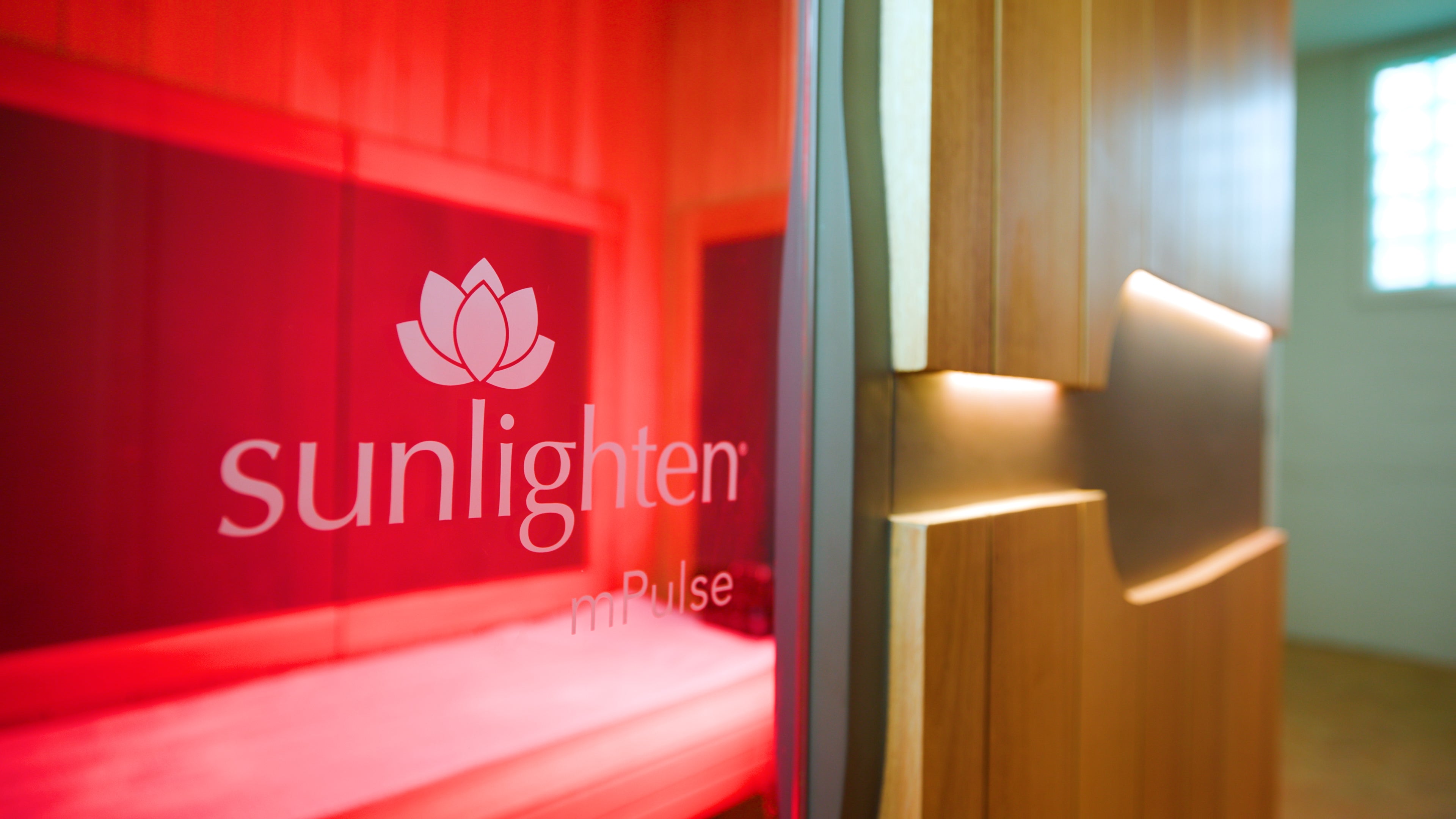
For some clients, this may involve calming facial treatments, skin barrier repair, LED light therapy, hydration-focused treatments or a tailored homecare plan. For others this may mean looking at lifestyle factors such as stress management, sleep, seasonal changes and consistency in daily skin habits.
Calm skin begins with understanding
Managing inflammatory skin conditions is not just about treating the visible symptoms. It is about understanding the triggers and why it is occurring, strengthening the skin barrier and supporting the body’s natural ability to restore balance.
Stress, inflammation and skin health are deeply connected. By prioritising your mental wellbeing, emotional balance, healthy routines and professional skin support, you are not only caring for your skin but your overall wellbeing too.
If your skin has been feeling sensitive, inflamed, reactive or difficult to manage, our team can help you understand what may be contributing to your concerns and guide you towards a more balanced approach.
To learn more about the connection between stress, inflammation and your skin, contact Calma Spa & Skin Clinic in Armadale to book your Discovery Session today.